Canada stretches across 6 time zones and offers leisure travelers everything from iceberg-watching in Newfoundland to hiking through Kluane National Park in the Yukon. This guide compares 6 leisure hotels across distinct Canadian regions - helping you match your stay to the landscape, activity, and pace you're actually looking for.
What It's Like Staying in Canada
Canada is one of the world's largest countries by land area, meaning the experience of staying here varies dramatically depending on the province. Coastal Newfoundland delivers dramatic cliffs, whales, and icebergs in summer, while the interior provinces like Alberta and British Columbia offer mountain towns with year-round outdoor access. Crowds concentrate heavily in July and August, particularly around national parks, ferry routes, and coastal towns - booking accommodation at least 8 weeks ahead is standard practice for peak summer travel.
Travelers who prefer dense urban infrastructure may find smaller Canadian towns underwhelming in terms of restaurant variety or nightlife, but those seeking space, wildlife, and landscape access will find few countries that compete. Road distances between destinations are genuinely large - driving between regions often means 3+ hours between stops, which shapes how you plan overnight stays.
Pros:
- Exceptional natural diversity - boreal forests, tundra, Pacific coastline, and Atlantic shores within one country
- Smaller towns offer authentic, low-crowd travel with strong local character
- Canadian hospitality infrastructure in leisure destinations is well-developed, with reliable free parking and WiFi even in remote hotels
Cons:
- Vast distances between regions make multi-destination trips time-consuming without a car
- Peak summer prices in popular areas spike sharply, with limited last-minute availability
- Some remote leisure destinations have very limited dining or entertainment options after 9 PM
Why Choose Leisure Hotels in Canada
Leisure hotels in Canada are built around access - to trails, waterways, ski areas, or cultural routes - rather than around business amenities. Unlike urban business hotels, these properties typically offer free parking as standard, larger communal spaces, and facilities like barbecues, shared lounges, or sports equipment loans that directly support outdoor itineraries. Rates at leisure-focused properties in smaller Canadian towns run around 40% lower than comparable-star hotels in Toronto or Vancouver, making regional stays a strong value proposition for travelers who prioritize experience over location prestige.
Room sizes at Canadian leisure hotels are generally more generous than European equivalents, and many properties include kitchen facilities or townhome-style units - useful for stays of 3 nights or more. The trade-off is that on-site dining can be limited to a single restaurant, and some properties in remote areas operate seasonal hours. Family rooms are common across this category, reflecting Canada's strong domestic leisure travel market.
Pros:
- Free parking is near-universal, reducing daily costs significantly compared to city hotels
- Kitchen-equipped rooms and townhome units allow self-catering, cutting food costs on longer stays
- Properties are typically positioned close to the natural or cultural attraction they serve
Cons:
- On-site dining is often the only practical option in remote locations - quality and variety vary widely
- Some leisure hotels operate with limited front desk hours outside peak season
- WiFi quality can be inconsistent in very rural or remote areas despite being advertised as free
Practical Booking & Area Strategy
Canada's leisure destinations divide broadly into three strategic zones: the Atlantic provinces (Newfoundland, Nova Scotia) for coastal and iceberg tourism; the Prairie and Central provinces (Manitoba, Ontario) for quieter, budget-friendly regional travel; and the Western corridor (British Columbia, Alberta, Yukon) for mountain, wilderness, and highway route travel. The Yellowhead Highway through British Columbia and the Alaska Highway through the Yukon are popular self-drive routes where the hotel you pick defines your daily range - plan stops no more than 4 hours apart by car. For travelers targeting Kluane National Park or Bulkley Valley, the nearest airports are over 150 km away, making a rental car non-negotiable.
Ontario's Waterloo Region offers a different leisure profile - proximity to the Stratford Festival, Mennonite country, and Brant arts venues within a single afternoon's drive. Region of Waterloo International Airport sits just 18 km from Kitchener, making it one of the most accessible leisure bases in central Canada. In Newfoundland, Twillingate is the prime base for iceberg and whale-watching season, which peaks between late May and early July - availability disappears fast in that window.
Atlantic Canada: Coastal & Remote Stays
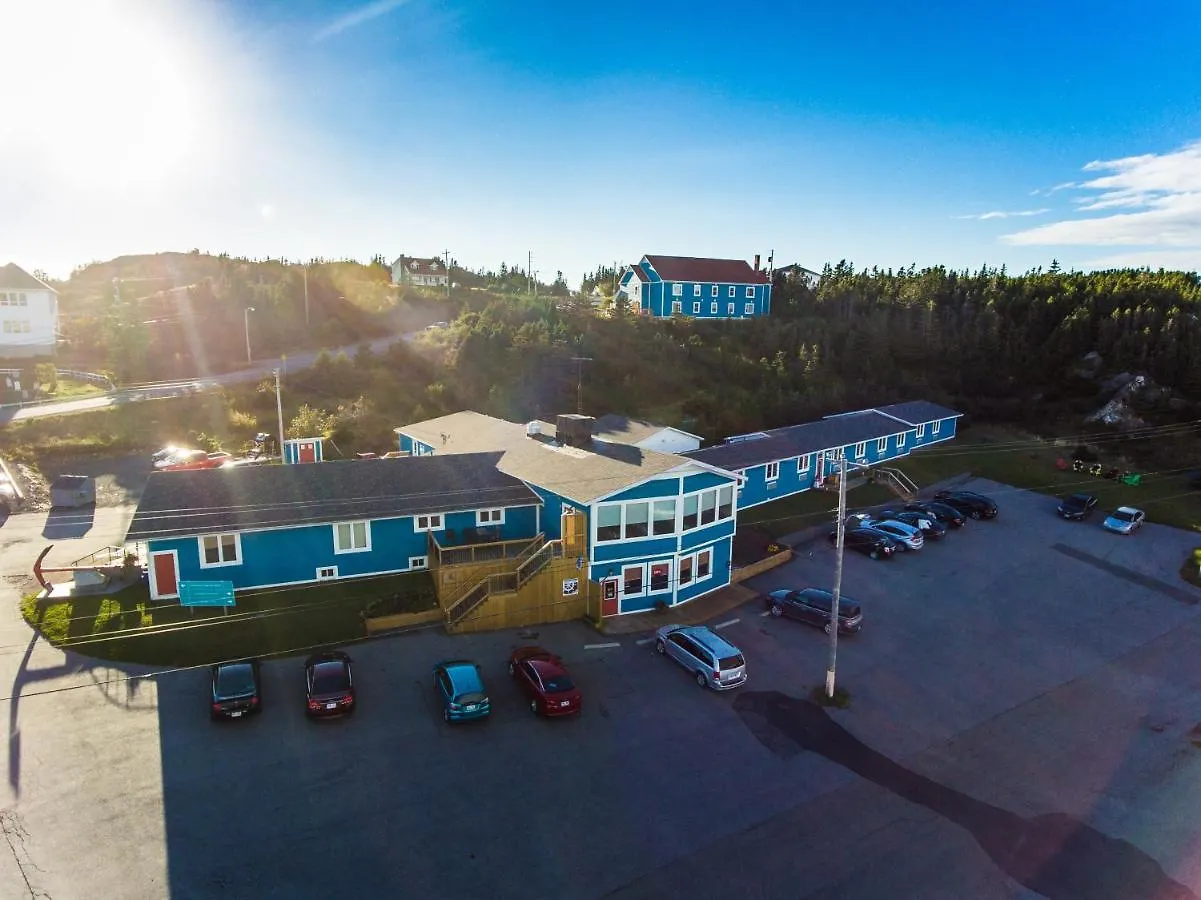
Twillingate and Newfoundland's remote coastline attract travelers specifically for icebergs, humpback whales, and dramatic sea cliffs - accommodation here books out well in advance of the June iceberg peak.
-
1. Anchor Inn Hotel And Suites
Show on map


 Check-infrom 15:00 until 23:59Check-outuntil 10:00
Just a few rooms left at the best rate!
fromC$ 236
Western Canada & Yukon: Wilderness Highway Stops
The stretch from British Columbia's Bulkley Valley through the Yukon to Haines Junction covers some of Canada's most dramatic drive-through scenery - these hotels serve as strategic overnight anchors on self-drive wilderness routes.
-
2. Kluane Park Inn
Show on map


 Check-infrom 15:00 until 23:59Check-outuntil 11:00
Just a few rooms left at the best rate!
fromC$ 90
-
2. Prestige Hudson Bay Lodge & Conference Centre, Worldhotels
Show on map


 Check-infrom 16:00 until 23:59Check-outuntil 11:00
Hurry – almost gone at this price!
fromC$ 137
-
3. Rocky Inn Express
Show on map


 Check-infrom 15:00 until 23:59Check-outuntil 11:00
Hurry – almost gone at this price!
fromC$ 109
Central Canada: Prairie Towns & Ontario Leisure
Manitoba's smaller towns and Ontario's Waterloo Region offer a quieter, more affordable leisure experience - suited to travelers exploring cultural routes, festivals, or agricultural landscapes without the crowds of major national parks.
-
5. Vivian Motor Hotel
Show on map


 Check-infrom 15:30 until 22:30Check-outfrom 09:00 until 10:00
Rooms filling fast – secure the best rate!
fromC$ 58
-
2. Boardwalk Homes - Executive Guest Rooms & Townhomes
Show on map


 Check-infrom 16:00 until 23:59Check-outuntil 11:00
Rooms filling fast – secure the best rate!
fromC$ 71
Smart Travel & Timing Advice for Canada
Canada's leisure travel season peaks sharply in July and August, when national parks, coastal towns, and highway routes all operate at maximum capacity. Twillingate's iceberg season runs from late May through early July - booking the Anchor Inn 10 or more weeks in advance is necessary for this window. Kluane and the Yukon corridor are best visited between mid-June and early September, when daylight hours are long and trail access is fully open; outside this window, some services reduce hours or close entirely.
For Smithers and the Yellowhead Highway, early September delivers a combination of lower crowds, autumn foliage, and full hotel availability. The Waterloo Region in Ontario operates year-round, with the Stratford Festival running from April through November - shoulder season visits in April or October offer lower rates with full programming. Rocky Mountain House and central Alberta see their quietest periods in late September and October, when prices drop noticeably and the foothills are uncrowded. For any remote Canadian destination, avoid last-minute booking strategies - availability disappears weeks, not days, before peak dates.