Somerset is one of England's most geographically rewarding counties - but choosing where to base yourself matters enormously. From the dramatic coastline at Porlock Weir to the market town atmosphere of Castle Cary and the Exmoor gateway of Dulverton, the county spreads across a wide area with no single dominant hub. This guide covers 7 hotels in Somerset with standout location ratings, helping you match your base to your actual itinerary - whether that's walking the South West Coast Path, visiting Dunster Castle, or day-tripping into Bristol.
What It's Like Staying in Somerset
Somerset rewards slow, car-based travel - the county has no major motorway cutting through its most scenic areas, and public transport between villages is limited to infrequent bus services. Most visitors hire a car or arrive by train into Taunton or Castle Cary (served by GWR from London Paddington in around 90 minutes), then drive out to their chosen base. Crowd patterns vary sharply: coastal spots like Porlock and Blue Anchor fill up heavily in July and August, while inland towns like Langport and Dulverton stay quieter even at peak season.
Somerset suits walkers, cyclists, and anyone drawn to Exmoor National Park, the Mendip Hills, or the Somerset Levels. Travellers expecting urban convenience or nightlife would be better served by nearby Bristol.
Pros:
- Direct rail access from London into Castle Cary and Taunton makes car-free arrival feasible for some bases
- Exmoor National Park and the Mendip Hills are within easy reach of most properties in this guide
- Low accommodation density in rural areas means genuine quiet - no urban noise, no crowds at breakfast
Cons:
- Without a car, getting between villages is impractical - bus frequency drops to once or twice daily on many rural routes
- Coastal locations like Porlock Weir have very limited dining and shopping options beyond the hotel itself
- Mobile signal and broadband can be unreliable in Exmoor and the Quantock Hills
Why Choose a Well-Located Hotel in Somerset
In a county as geographically varied as Somerset, location rating isn't just about proximity to a town centre - it's about how easily a hotel puts you at the door of the experiences you came for. A top-rated location in Porlock Weir means stepping onto a beach path in under 2 minutes; in Compton Martin, it means being 14 km from Bristol Airport and positioned on the edge of the Mendip Hills. Hotels with strong location scores in Somerset typically sit either in or immediately adjacent to a named village, with direct access to walking trails, local pubs, or historic landmarks.
Price differences between well-located Somerset properties tend to be driven by property type rather than pure geography - a characterful inn in a Mendip village can cost less per night than a coastal hotel with sea views, yet score equally on location because it serves a different traveller profile.
Pros:
- Staying in a well-positioned village inn gives immediate access to trails, local character, and authentic Somerset atmosphere
- Properties near Bristol's southern edge (Chew Magna, Compton Martin) let you combine rural Somerset with easy Bristol day trips
- Coastal and Exmoor-based hotels eliminate the need for long morning drives to reach the county's headline attractions
Cons:
- High location scores in remote areas mean limited walkable amenities - you may need to drive even for groceries
- Rooms in characterful historic buildings sometimes trade modern soundproofing for period charm
- Peak-season availability at small, well-located village properties disappears weeks in advance
Practical Booking & Area Strategy for Somerset
Somerset breaks naturally into four distinct stay zones, each serving a different travel style. The Exmoor fringe - covering Dulverton and Porlock Weir - is best for walkers and wildlife watchers; book here if Exmoor National Park is your priority, but accept that the nearest supermarket may be 20 minutes away. The Mendip Hills corridor (Compton Martin, Chew Magna) places you around 14 km from Bristol city centre, making it the most flexible zone for mixed rural-urban itineraries. South Somerset, anchored by Castle Cary, suits visitors combining the Somerset Levels with day trips to Glastonbury, Wells Cathedral, and the Jurassic Coast. For self-catering flexibility, the Langport area offers Somerset Levels access alongside cycling on the King's Sedgemoor Drain trail.
Book at least 6 weeks ahead for July and August stays at coastal and Exmoor properties - rooms at small village hotels in Porlock and Dulverton are counted in single digits. Shoulder season (late April to June and September to October) gives the best combination of weather, trail conditions, and room availability across all zones.
Best Value Stays
These properties deliver strong location scores at accessible price points, positioned in well-connected Somerset villages with direct access to key attractions or transport links.
-
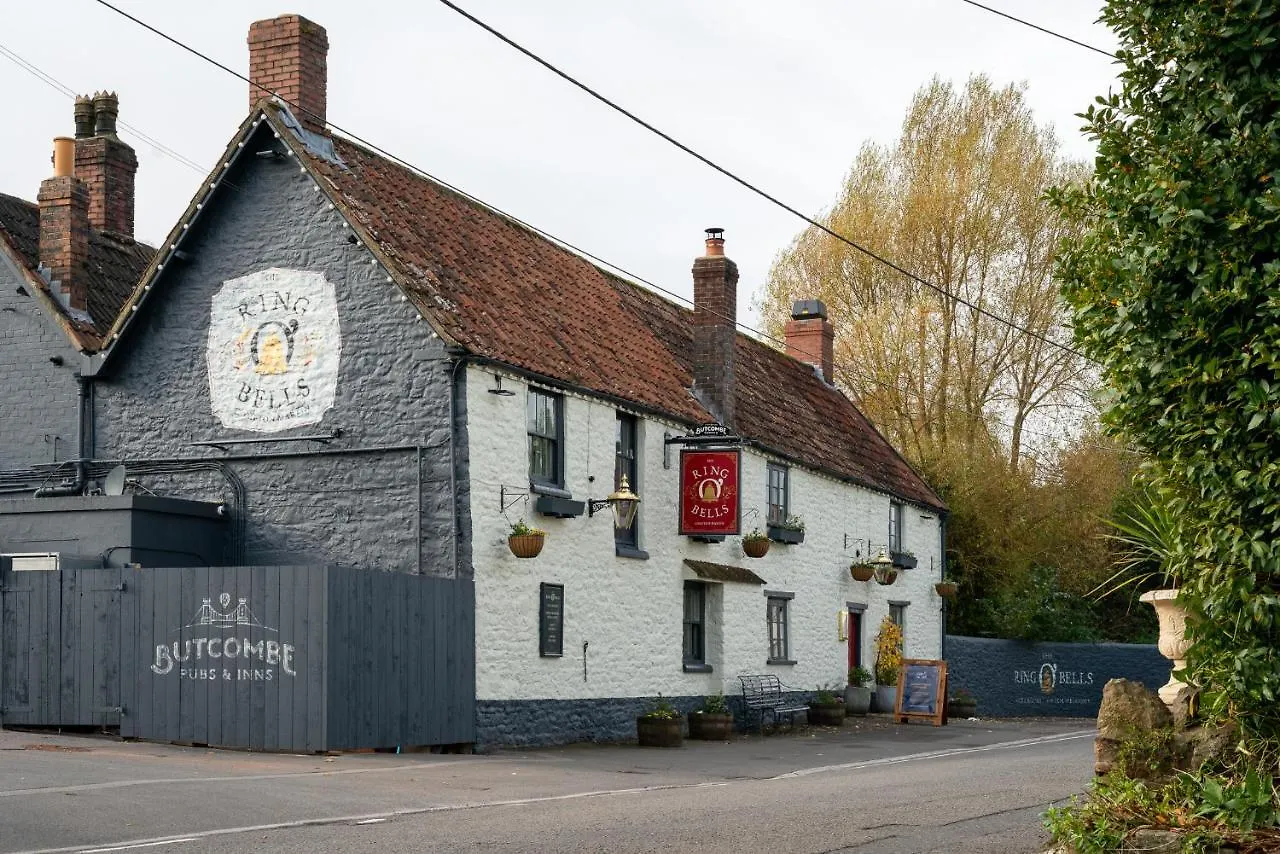
1. The Ring 'O' Bells
Show on map


 Check-infrom 15:00 until 21:30Check-outfrom 08:00 until 11:00
Just a few rooms left at the best rate!
from£ 92
-
2. The Queens Chew Magna
Show on map


 Check-infrom 15:00 until 21:00Check-outfrom 07:00 until 10:00
Just a few rooms left at the best rate!
from£ 138
-
3. Withy Cottages
Show on map


 Check-infrom 15:00 until 21:00Check-outuntil 10:00
Just a few rooms left at the best rate!
from£ 160
-
4. Pilgrims Rest With Annexe
Show on map


 Check-infrom 17:00 until 23:00Check-outuntil 11:00
Hurry – almost gone at this price!
from£ 167
Best Premium Stays
These three properties combine heritage character, strong on-site dining, and exceptional positioning within Somerset's most scenic and visited areas - Exmoor, the Porlock coast, and South Somerset.
-
5. The Porlock Weir Hotel
Show on map


 Check-infrom 15:00 until 22:00Check-outuntil 11:00
Hurry – almost gone at this price!
from£ 129
-
2. Lion Hotel Dulverton
Show on map


 Check-infrom 15:30 until 22:00Check-outfrom 07:00 until 11:00
Rooms filling fast – secure the best rate!
from£ 79
-
3. The George Hotel
Show on map


 Check-infrom 14:00 until 23:00Check-outuntil 10:00
Rooms filling fast – secure the best rate!
from£ 75
Smart Travel & Timing Advice for Somerset
Somerset's peak season runs from late June through August, when Exmoor, the Somerset coast, and Glastonbury (during and around the festival in late June) see room availability drop sharply. Prices at coastal hotels like Porlock Weir can rise by around 35% compared to equivalent September dates, and properties with under 10 rooms sell out weeks in advance. The shoulder windows of late April through May and September through mid-October offer the best practical combination: moorland paths are dry, Exmoor red deer rut begins in October, and village pubs operate full menus without the August queues.
Winter stays (November to February) suit visitors specifically targeting the Somerset Levels for starling murmurations - one of England's most dramatic wildlife spectacles, peaking January to February above the wetlands near Langport and Shapwick Heath. A minimum of 3 nights is worth planning if you intend to combine Exmoor, the Mendip Hills, and the coast in one trip - the distances between zones make day-return trips from a single base genuinely tiring. Last-minute deals are rare at quality-rated Somerset village properties; early booking of 8 weeks ahead is the reliable strategy for summer stays.